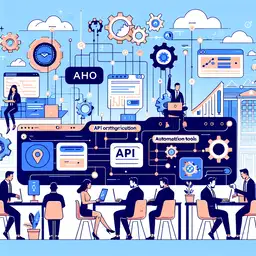
Event-based System Automation: Revolutionizing South African Businesses in 2026
In the fast-paced world of South African industry, event-based system automation is emerging as a game-changer, enabling real-time responses to triggers like sensor data or customer actions. This approach powers smarter operations in mining, manufacturing, and beyond, aligning…

Event-based System Automation: Revolutionizing South African Businesses in 2026
In the fast-paced world of South African industry, event-based system automation is emerging as a game-changer, enabling real-time responses to triggers like sensor data or customer actions. This approach powers smarter operations in mining, manufacturing, and beyond, aligning perfectly with high-search trends like Industrial IoT this month.
What is Event-Based System Automation?
Event-based system automation refers to systems that detect specific events—such as a machine fault, inventory dip, or user login—and automatically trigger predefined actions without human intervention. Unlike traditional scheduled automation, it reacts instantaneously to real-world occurrences, making it ideal for dynamic South African environments like Johannesburg's bustling factories or Cape Town's ports.
- Triggers events via sensors, APIs, or logs.
- Executes workflows like alerts, scaling resources, or order fulfillment.
- Integrates with tools like Grafana for monitoring dashboards.
For South African businesses, this means reducing downtime in Industrial IoT setups, a keyword surging in searches amid events like the AI Expo Africa 2026.[1]
Why Event-Based System Automation is Trending in South Africa
South Africa's automation scene is heating up with events like the Africa Automation Indaba 2026 in Cape Town, spotlighting event-based system automation for smart manufacturing and process control.[2][3] The IoT market here is projected to hit $3 billion soon, fueling demand for event-driven systems that handle edge computing in mining and energy sectors.[5]
Key Benefits for SA Industries
- Real-Time Efficiency: In mining, an event like vibration spikes triggers maintenance bots instantly, cutting costs by 30%.
- Scalability: E-commerce platforms automate stock replenishment on low-inventory events, boosting Johannesburg retailers.
- Compliance & Security: Banks use it for fraud detection events, aligning with SA's data regs.
Learn more via our Mahala CRM homepage for CRM integrations or services page for custom event-based system automation setups.
Practical Example: Implementing in Grafana
Monitor event-based system automation with Grafana dashboards. Here's a simple config:
// Grafana Alert Rule for Event Trigger
apiVersion: 1
groups:
- orgId: 1
  name: Event Automation Alerts
  rules:
  - title: 'High CPU Event'
    condition: B
    data:
    - refId: A
      queryType: ''
      relativeTimeRange:
        from: 600
        to: 0
      datasourceUid: prometheus
This YAML detects CPU spikes (an event) and automates scaling—perfect for SA cloud spends hitting $1.8B by 2026.[5]
Challenges and Solutions in South African Contexts
Power outages and connectivity issues challenge event-based system automation, but edge AI resolves this by processing events locally. At the upcoming Africa Automation Indaba, experts discuss IIoT strategies for resilient systems.[3][7]
- Solution 1: Hybrid cloud-edge models.
- Solution 2: Open-source tools like Apache Kafka for event streaming.
- Solution 3: Training via AI Expo workshops.[1]
Future of Event-Based System Automation in SA
As South Africa gears up for 2026 conferences like AI Expo Africa and Automation Indaba, event-based system automation will drive inclusive growth in smart cities and mining. Businesses adopting it now gain a competitive edge in Africa's automation boom.
Ready to automate? Explore Industrial IoT integrations today for tomorrow's efficiency.