SaaS Orchestration Using Event Triggers: A Game-Changer for South African Businesses in 2026
In the fast-evolving South African tech landscape, SaaS orchestration using event triggers is emerging as a must-know strategy for businesses scaling efficiently. With public cloud spending projected to hit $1.8 billion by 2026 at a 22% CAGR, South…
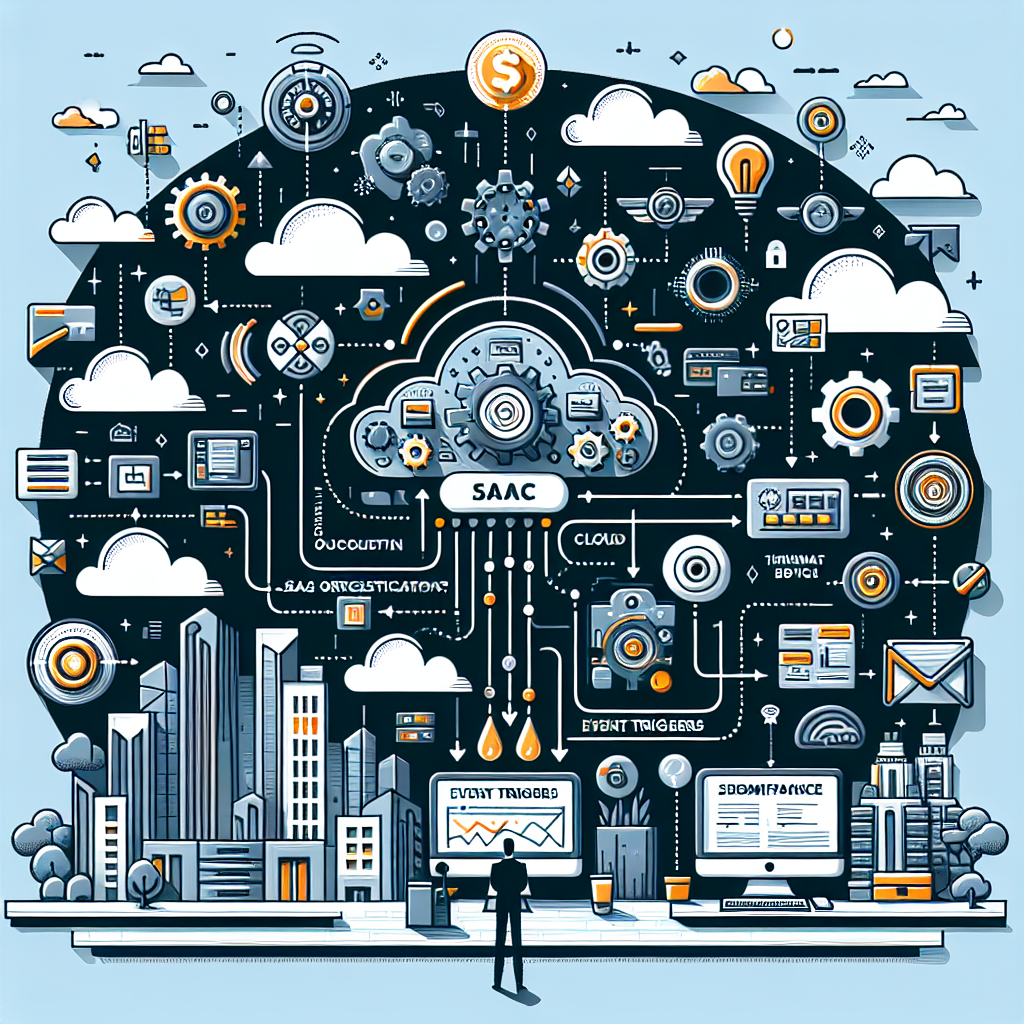
SaaS Orchestration Using Event Triggers: A Game-Changer for South African Businesses in 2026
In the fast-evolving South African tech landscape, SaaS orchestration using event triggers is emerging as a must-know strategy for businesses scaling efficiently. With public cloud spending projected to hit $1.8 billion by 2026 at a 22% CAGR, South African companies are leveraging event-driven systems to streamline operations, reduce downtime, and boost innovation—perfect for the Digital Transformation Summit South Africa 2026 discussions on cloud-native environments.[1]
Why SaaS Orchestration Using Event Triggers Matters for South Africa
South Africa's SaaS market is booming, fueled by events like TECHSPO Johannesburg and TECHSPO Cape Town, where innovators showcase AdTech, MarTech, and SaaS technologies.[3] SaaS orchestration using event triggers addresses key challenges like fragile integrations and long request chains, making it a trending topic in 2026 programming trends.[4]
Event triggers enable real-time responsiveness: when an event like "InvoicePaid" or "UserUpgraded" occurs, services react independently without tight coupling. This is crucial for South African firms navigating POPIA regulations and hybrid cloud models, as highlighted in digital transformation forums.[1]
- Decoupling services: Publish events to a schema registry for versioning and idempotency.
- Faster deployments: Avoid "one deployment broke three services" scenarios.
- Scalability: Ideal for IoT growth, estimated at $3 billion in South Africa by year-end.[1]
For local insights, explore Mahala CRM's SaaS solutions tailored for African businesses, integrating seamless event-based workflows.
How SaaS Orchestration Using Event Triggers Works in Practice
Implementing SaaS orchestration using event triggers starts with an event bus like Apache Kafka or AWS EventBridge. Here's a step-by-step guide optimized for South African devs attending TECHSPO events:[3]
- Define events: Use a schema registry for structured payloads, e.g., JSON with versioning.
- Publish triggers: Services emit events on actions like user sign-ups.
- Consume asynchronously: Downstream services subscribe with retries and dead-letter queues.
- Monitor with observability: Integrate logging, metrics, and traces—key in 2026 SaaS stacks.[6]
// Example Node.js event publisher
const eventBus = require('event-bus-client');

async function publishInvoicePaid(invoiceId) {
  await eventBus.publish('InvoicePaid', {
    invoiceId,
    amount: 1500,
    idempotencyKey: generateIdempotencyKey()
  });
}
This setup shines in vertical SaaS billing, unifying pricing and payments via orchestration—reducing revenue leakage for enterprises.[7] South African retailers can trigger inventory updates on sales events, aligning with automation trends at Africa Automation Indaba 2026.[5]
Benefits Tailored for South African SaaS Teams
- Cost efficiency: Pay-per-use in public clouds, balancing hybrid models amid data sovereignty concerns.[1]
- Compliance: Event logs aid POPIA audits in regulated sectors like retirement funds.[1]
- Innovation boost: Supports AI-driven analytics for real-time insights, a hot topic at Singularity South Africa Summit 2026.[8]
Pair this with Mahala CRM's event-driven automation tools for CRM-specific orchestration, empowering local sales teams.
Real-World Examples and Tools for SaaS Orchestration Using Event Triggers
Global trends show event-driven SaaS going mainstream in 2026, with tools like Zapier, n8n, or cloud-native options from AWS and Azure.[4] In South Africa, TECHSPO Johannesburg demos highlight SaaS integrations for growth hacking and marketing automation.[3]
For deeper dives, check this external guide on 2026 SaaS trends, emphasizing event-driven design.
| Tool | Use Case | South Africa Fit |
|---|---|---|
| AWS EventBridge | Cross-service triggers | Low-latency for JHB/Cape Town data centers |
| Apache Kafka | High-volume streams | IoT scalability[1] |
| Temporal.io | Workflow orchestration | Reliable retries for unreliable networks |
Future of SaaS Orchestration Using Event Triggers in South Africa
As cloud outages rise with AI upgrades,[9] robust SaaS orchestration using event triggers ensures resilience. With events like SaaSummit 2026 inspiring founders,[2] South African businesses adopting this now will lead in the digital economy.
Start small: Prototype an event flow in your stack, monitor with Grafana for observability, and scale. This positions your team for DX success amid 22% cloud growth.[1]